Atlanta Beltline Surpasses Nearly 80 Percent of Affordable Housing Goal Accelerating Pipeline to Meet 2030 Goal
4,425 affordable housing units delivered to date as major 2026 developments prepares to break ground across the Beltline
- Affordable Housing
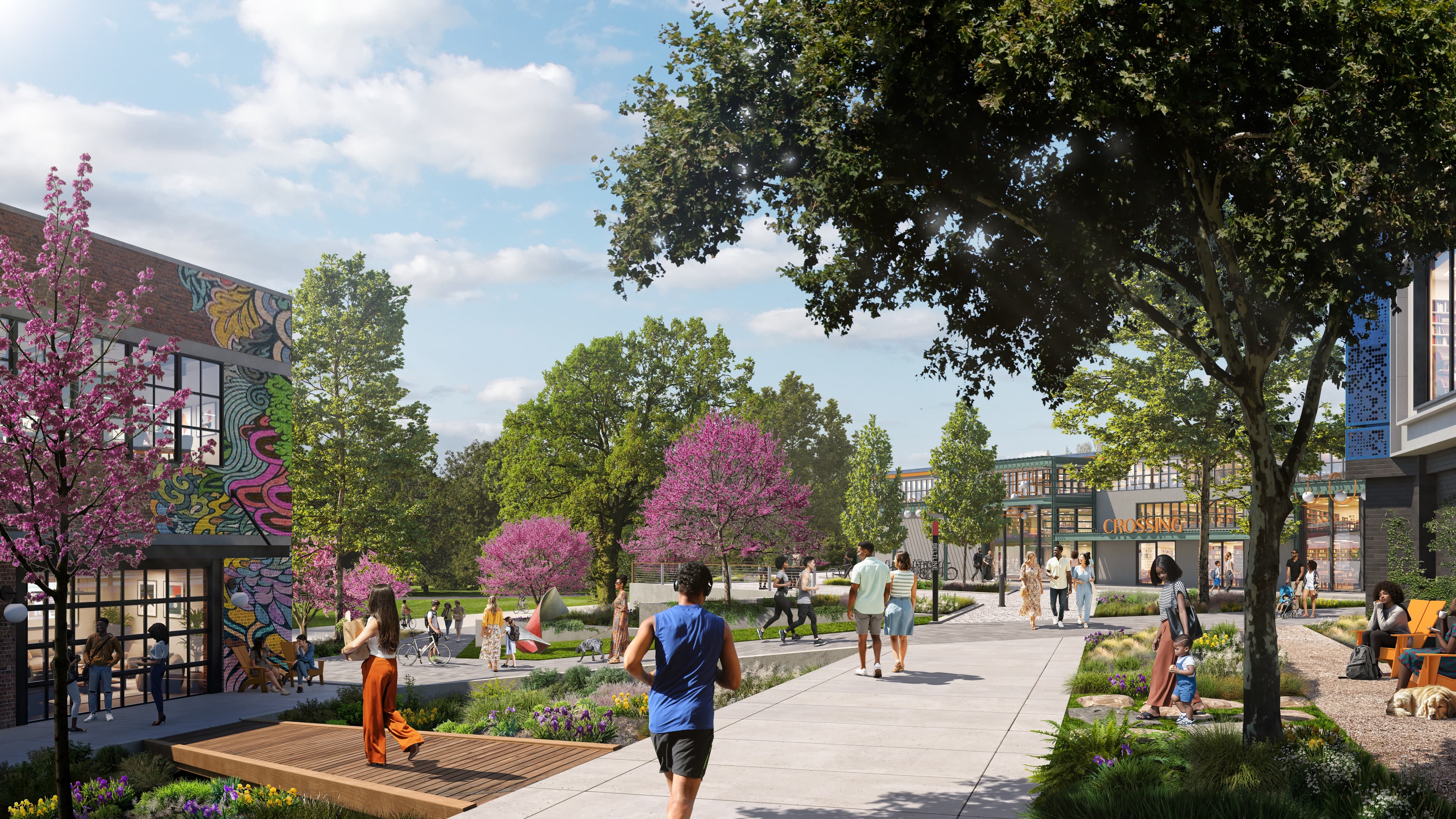
Atlanta Beltline, Inc. has reached 79% of its goal to create or preserve 5,600 affordable housing units by 2030, delivering 4,425 units to date within the Beltline Tax Allocation District (TAD). The Beltline and partners delivered 299 affordable housing units in 2025 maintaining strong annual production, while positioning major developments to break ground in 2026. With a growing pipeline, the Beltline is on track to exceed its long-term affordable housing commitment.
“Now more than ever, our city needs access to safe, affordable housing,” said Clyde Higgs, President & CEO of Atlanta Beltline, Inc. “For 20 years, the Beltline has been the People’s Project, and we remain dedicated to our commitment to create affordable housing with urgency. As we support Mayor Dickens’ goal of 20,000 affordable housing units citywide, we are proud of these developments that reflect our commitment to preserve communities and expand housing opportunities – ensuring residents of all income levels can share in the benefits and enhanced quality of life offered by the Beltline.”
Since 2018, the Beltline has more than doubled the number of completed affordable housing units along the corridor, with nearly three-fourths of these reserved for people earning 60% or less of the Area Median Income (AMI).
When defining affordability, it means housing costs that allow low- and moderate-income households to meet their monthly rent or mortgage obligations while maintaining sufficient income for essential needs such as food, clothing, and healthcare. In 2025, a household of four earning up to $91,350 annually qualifies as low income in the Atlanta region.
Land Acquisition and Planning Strategy
Investing in land for long-term affordability has guided the Beltline to create equitable, inclusive and sustainable development that meets and exceeds the needs of Atlanta’s residents and small businesses. To date, the Beltline has secured 94 acres of land to support the expansion of affordable housing and affordable commercial space along the corridor. Through strategic land acquisition, the Beltline is able to master plan and structure public-private partnerships on adjacent parcels, creating equitable development projects that ensure residents of all socioeconomic status and our local small businesses have an opportunity to thrive.
“We’ve accelerated our acquisitions over recent years because the communities we work in deserve transformative and community-centered development,” said Dennis Richards, Vice President of Housing Policy and Development. “Our dedicated housing team is using our expertise and resources to forge public private partnerships on these properties so that the Beltline achieves our mission of an equitable, inclusive and sustainable Atlanta.”
Beltline-owned properties supporting affordable housing and commercial space include:
579 Garson Drive: Expected to close in Q2 2026, this development will deliver 130 units of permanently affordable housing and 8,000 square feet of commercial space, including micro-units for small businesses. Funded in part by a $2 million Beltline loan and over $43 million in equity investment through 4% Low-Income Housing Tax Credit equity, the project is being developed in partnership with Pennrose and Radiant Development Partners, LLC, a minority-owned firm with a groundbreaking expected later this spring.
350 Chappell Road: The 6.3-acre site located in Grove Park and the Historic Westin Heights neighborhoods was awarded 4% Low-Income Housing Tax Credits (LIHTC) in February 2025. Supported by $2 million in TAD Increment funding, the project will deliver 218 affordable housing units with 30-80% AMI and is expected to close this year.
425 Chappell Road: This 30+ acre site has received rezoning approval from City Council, and the Beltline is working to advance the first phase of development, which will deliver approximately 150 units of for-sale housing and 5,000 square feet of affordable commercial space.
Murphy Crossing: This site has received rezoning approval from City Council and has completed the Development of Regional Impact review process. The Beltline is now working through predevelopment activities on the first phase of the project with demolition activities expected to complete by the fall.
356 University Avenue: Adjacent to Pittsburgh Yards®, this 13.7-acre site has completed rezoning and an RFP for a mixed-income, mixed-use development — requiring permanently affordable housing, light industrial uses, and discounted commercial space. This site is under an open procurement with public announcements anticipated later in the year.
Bennett Street: Over the last two years, the Beltline completed a $29 million acquisition of a 3.2-acre assemblage near the intersection of Peachtree Road and Bennett Street in Buckhead, representing the first Beltline land acquisition along Peachtree Road. Existing buildings on the site are vacant and with demolition expected to complete by the fall.
Key Milestones in 2025
The Beltline continues to accelerate progress toward its housing goals through collaborative partnerships, thoughtful planning, and diverse funding sources. This year’s housing wins were made possible through this approach. Key milestones along the corridor include:
Brownsville Pointe: Closed in 2025, this mixed-use development along the Southside Trail will include 12 affordable housing units. The project received $700,000 from the Beltline Affordable Housing Trust Fund.
Englewood Multifamily: A groundbreaking was held in September 2025 for this mixed-use development, which will deliver 160 affordable housing units along with neighborhood-serving retail space.
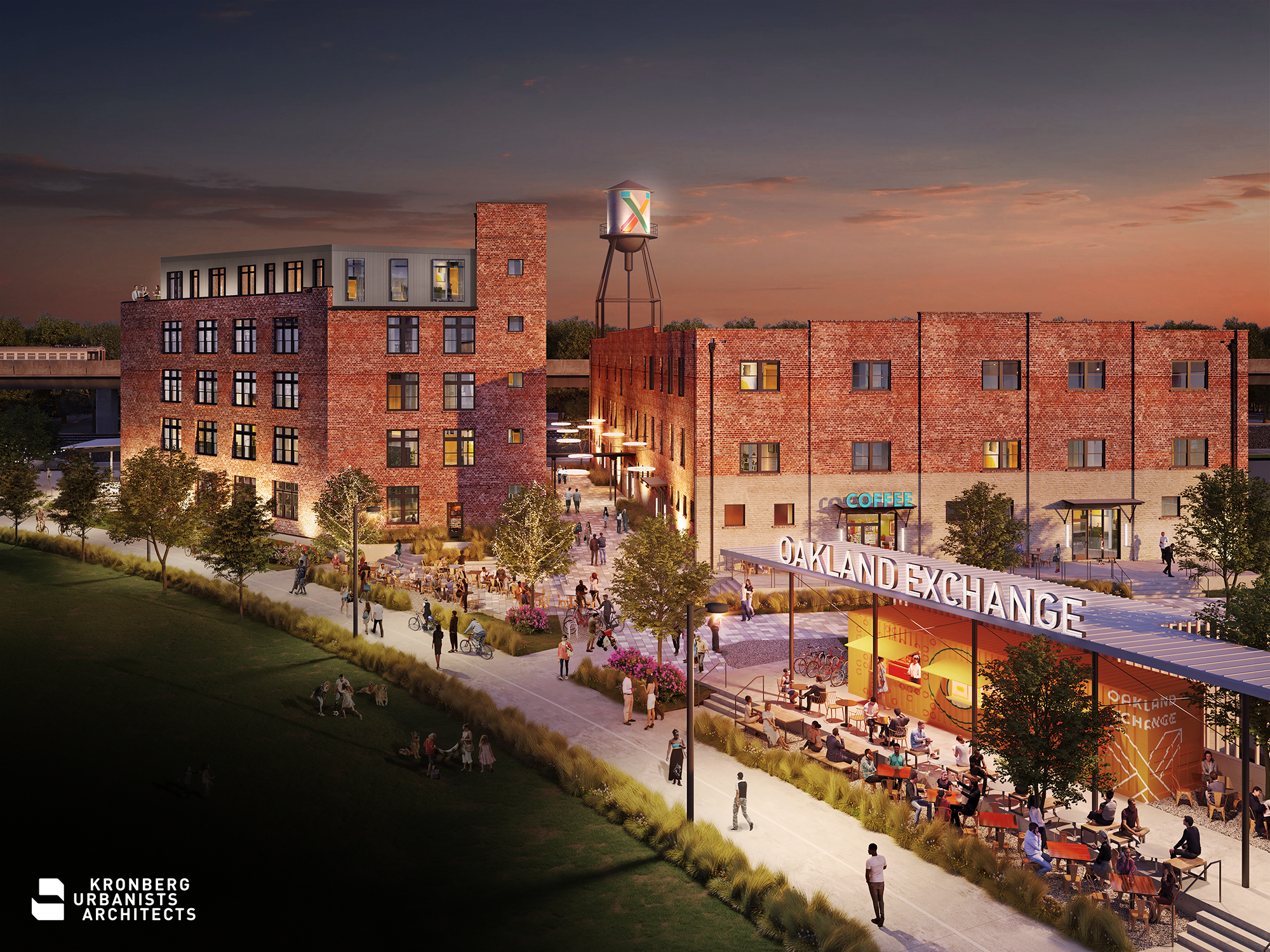
Oakland Exchange: Announced in February, this public-private partnership will deliver 126 loft-style apartments, with more than 65 percent designated as affordable. The project received $3 million from the TAD Increment Fund and will also include affordable commercial spaces.
The Residences at West End: Received $3 million in Beltline TAD funding to support affordable housing development in the West End resulting in the creation of 154 affordable housing units.
Waterworks: Opened in December 2025, this development includes 100 studio apartments providing rapid housing for formerly unhoused individuals. The project received $2 million from the Beltline Affordable Housing Trust Fund.
Together, these developments reflect continued investment in long-term affordability contributing to the 5,600 unit affordable housing goal.
Affordable Housing Dashboard Launched
In January 2026, the Beltline launched a new Affordable Housing Dashboard and web-based mobile app to improve access to affordable housing information and strengthen transparency around progress toward its 2030 goal. The interactive platform allows residents, partners, and stakeholders to explore affordable housing developments along the Beltline through an interactive map and search tools that identify units within the Beltline Planning Area. Other features include:
Housing Explorer: Find available, completed, and under-construction affordable housing and apply directly through listings.
Zone Lookup: Check whether an address falls within the Atlanta Beltline's planning areas.
Housing Metrics: Track affordable housing progress with key indicators.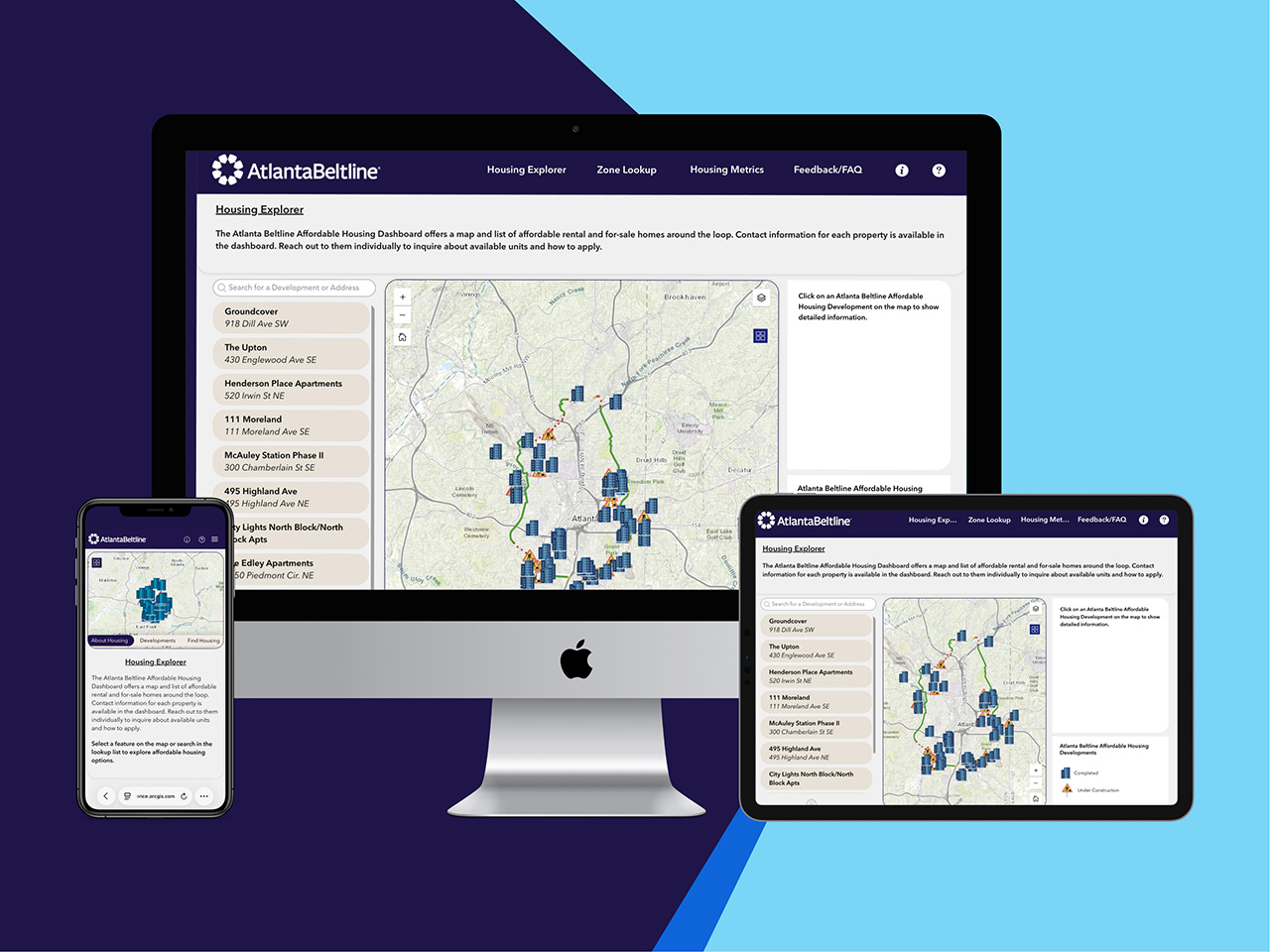
Partnerships and Tools to Achieve Affordability
The Beltline relies on a range of financial tools — including the Beltline TAD, Beltline Affordable Housing Trust Fund, TAD Increment Fund and the City of Atlanta's Inclusionary Zoning ordinance — to create and preserve affordable housing. Guided by the Beltline TAD Redevelopment Plan and Mayor Andre Dickens' citywide housing goals, the Beltline works alongside partners including Invest Atlanta, Atlanta Housing, the Georgia Department of Community Affairs, Development Authority of Fulton County, and more to expand equitable housing options across the Beltline.
Looking ahead, the Beltline currently has a pipeline of approximately 500 affordable units in active development across the Beltline TAD. These projects reflect the direct impact of the Beltline's financial tools and partnerships in translating policy goals into measurable housing production.
Preserving Affordability for Legacy Residents
Launched in 2020, the Legacy Resident Retention Program (LRRP) helps longtime homeowners remain in neighborhoods adjacent to the Beltline by covering the cost of property tax increases through the 2030 tax year. In 2025, 276 homeowners in neighborhood stabilization areas on Atlanta’s Westside and Southside received tax relief through the program.
“This program is about stability, helping longtime homeowners remain in their neighborhoods so they can benefit from the new opportunities, healthier living and improved quality of life the Beltline is creating,” said Rob Brawner, executive director, Atlanta Beltline Partnership. “It’s especially impactful for residents on fixed incomes, and 95% of our participants' income levels are below 80% AMI.”
Supported by funders of the Atlanta Beltline Partnership, the foundation arm of the Atlanta Beltline, the program is strengthening generational wealth, ensuring families can remain in their communities while benefiting from the economic growth surrounding them. Since enrolling, participating homeowners have experienced a combined $9.2 million increase in home values.
“Simply put, I still have my house, thanks to the Legacy Resident Retention Program,” said Ed Hall, LRRP participant. “My property taxes have soared, but my income has not. What would it mean for my family if this program didn't exist? I'd prefer not to imagine that.”
The LRRP is made possible through the generous support of donors, including the Robert W. Woodruff Foundation, Georgia Power, Rocket Community Fund, Delta Air Lines, Bank of America, Tull Charitable Foundation, Google, Truist, Kaiser Permanente, the Annie E. Casey Foundation and Robert Wood Johnson Foundation.
Additional Homeowner and Renter Resources Available
Through donor-funded workshops led by trusted partners, the Beltline also offers residents guidance on filing homestead exemptions, appealing property tax assessments, managing finances, and buying a home for the first time. Now marking a decade of connecting community members to these critical resources, the Beltline continues to expand access to financial education and housing stability tools. Information on these workshops and additional resources can be found on the Resident Resource Page of the Beltline website.
Media assets are available here.
Subscribe to In The Loop, our monthly newsletter, for Beltline news, events, announcements and more.