Spiller Field: Baseball Legacy Along the Beltline
- Parks & Trails
- Environmental Initiatives
What if the most enduring piece of Atlanta baseball history isn’t a trophy or a stadium — but a tree?
Today, a magnolia known as “Maggie” grows outside Truist Park, the home of the Atlanta Braves. More than landscaping, Maggie is a direct descendant of the legendary magnolia trees that once stood in centerfield at the historic home of the Atlanta Crackers and the Atlanta Black Crackers, along what is now the Beltline's Eastside Trail.
Where Atlanta Baseball Took Root
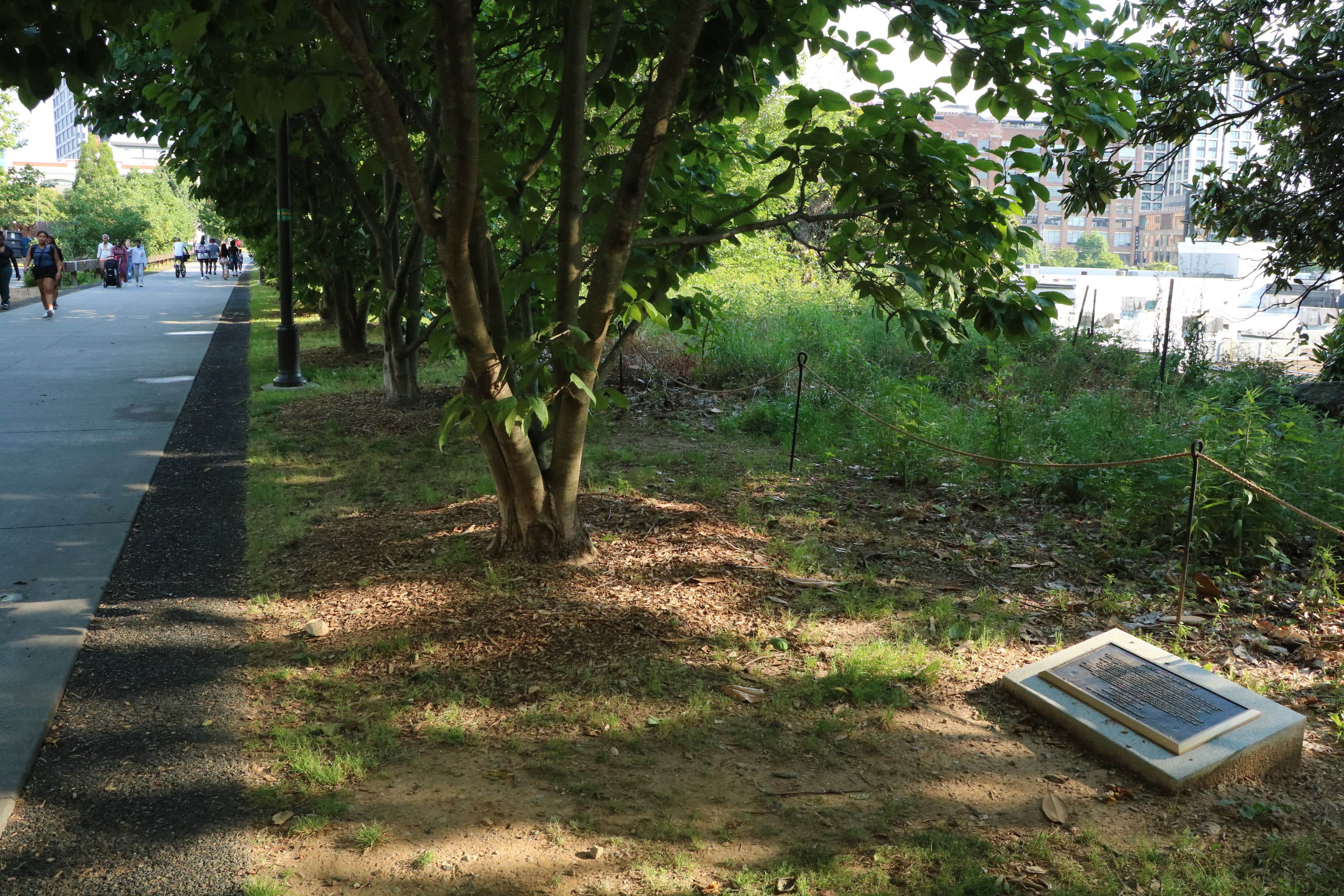
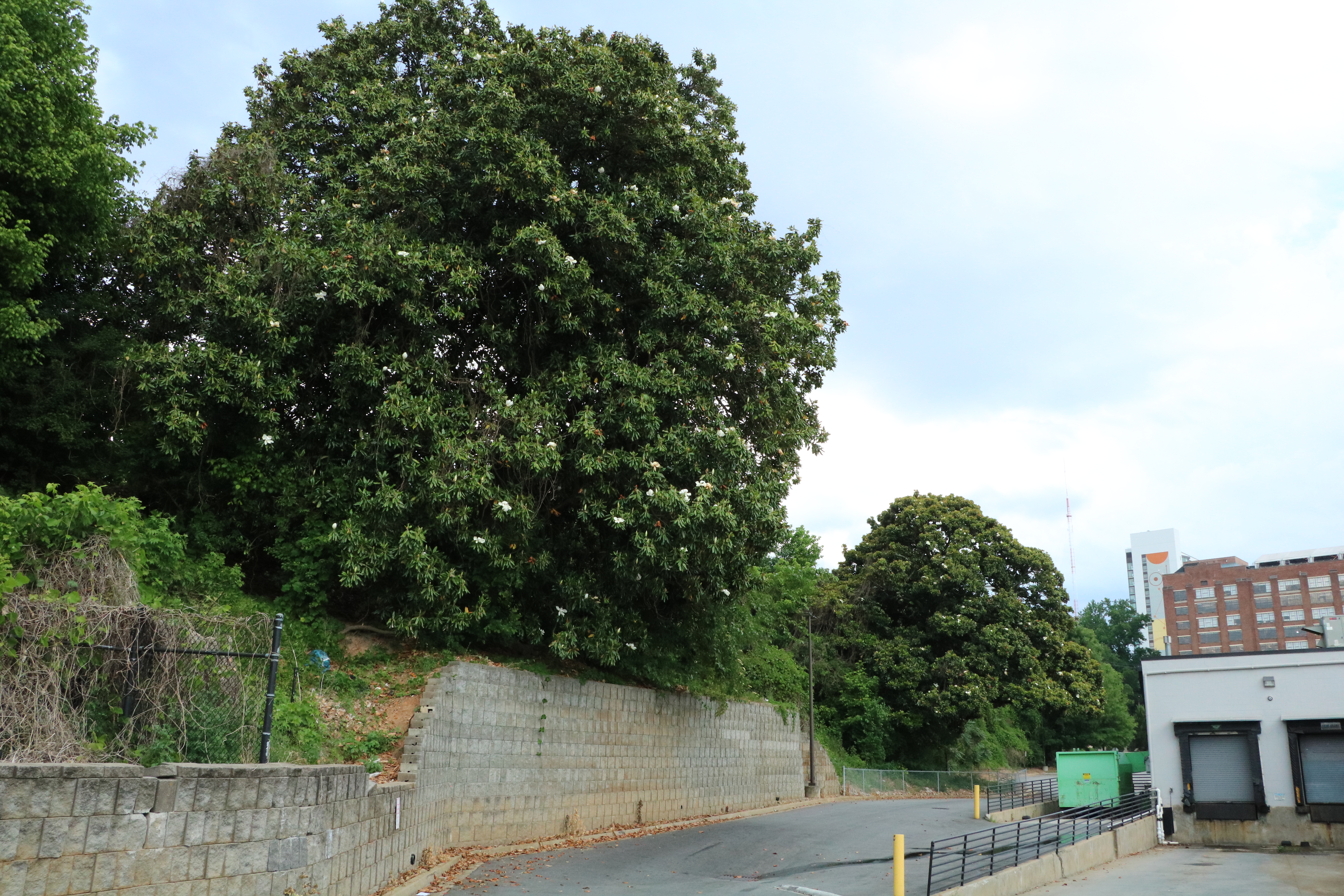
Long before the Beltline project began transforming once-overlooked spaces, this route was already rich in history. The Atlanta Beltline Arboretum, a linear botanical garden along the trail now recognized as the world’s longest, contains plants dating back to the 1860s, including two Magnolia trees that once stood in play at Ponce de Leon Ballpark.
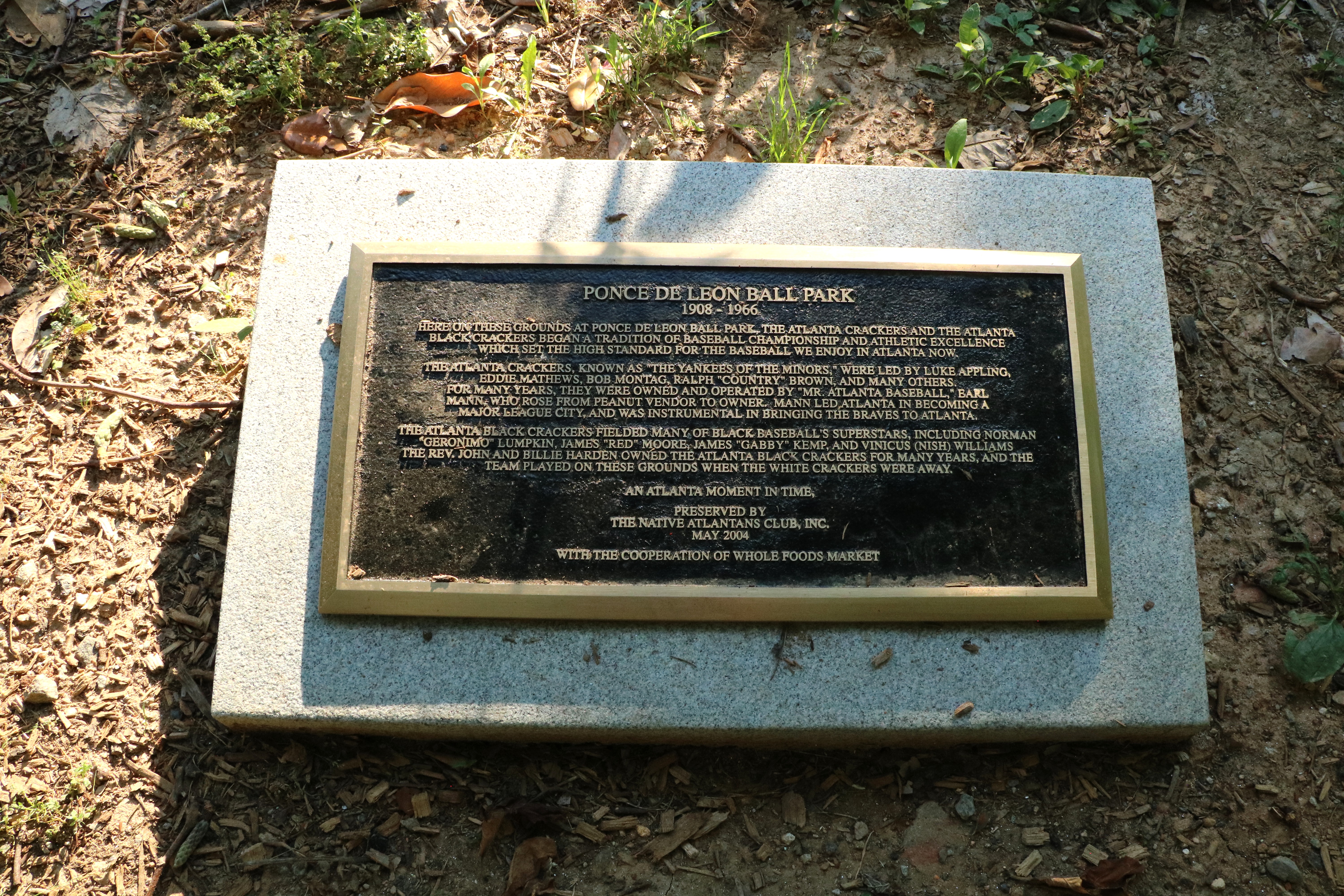
Built by the minor league Atlanta Crackers in the early 20th century, the stadium, also known as Spiller Field, became one of baseball’s most distinctive parks and helped shape the championship culture and athletic excellence that still define Atlanta’s baseball spirit today. The Crackers were led by “Mr. Atlanta Baseball,” Earl Mann, who rose from selling peanuts at age twelve to team owner and guided the franchise to more Southern Association championships than any other city.
The Atlanta Black Crackers formed in 1919 as a semiprofessional team and competed in several Negro League circuits, also playing many of their home games at the park. They evolved into one of the region’s most respected teams, drawing enthusiastic crowds and showcasing some of the most talented Black players during an era of segregation.
Further cementing the field’s legacy, one of the longest home runs in baseball history took place here when it landed in a passing train car that then travelled 500 miles to Nashville.
As the trail grows and new generations explore the city, efforts such as the Historic and Cultural Resources Study are underway to gather an inventory of historic and cultural resources across Beltline-owned and controlled properties and assets. This work also provides guidance for managing and preserving those sites.
In 2013, our partners at Trees Atlanta carefully cut branches from the tops of the magnolia trees along the newly built Eastside Trail and nurtured them until they could be replanted. Those trimmings now grow in the southwest Atlanta neighborhood of Bush Mountain, where the Black Atlanta Crackers practiced, in yards across metro Atlanta, throughout the Beltline Arboretum, and at the Braves’ new home in Cobb County.
"When Trees Atlanta reached out about selling us a seedling from their magnolia trees, I immediately said 'yes!'" said Atlanta Braves Senior Director of Facilities Dawn Gepfer. "We needed to find the ideal spot for her, and while we couldn't plant her inside the outfield like in Ponce de Leon Ballpark as a nod to her mom and aunt, we landed on a location outside Truist Park where fans can watch her grow over time."
Every year, the Braves celebrate her “birthday” at Truist Park and pay tribute to her and the legacy of her parent tree’s contribution to Atlanta baseball.
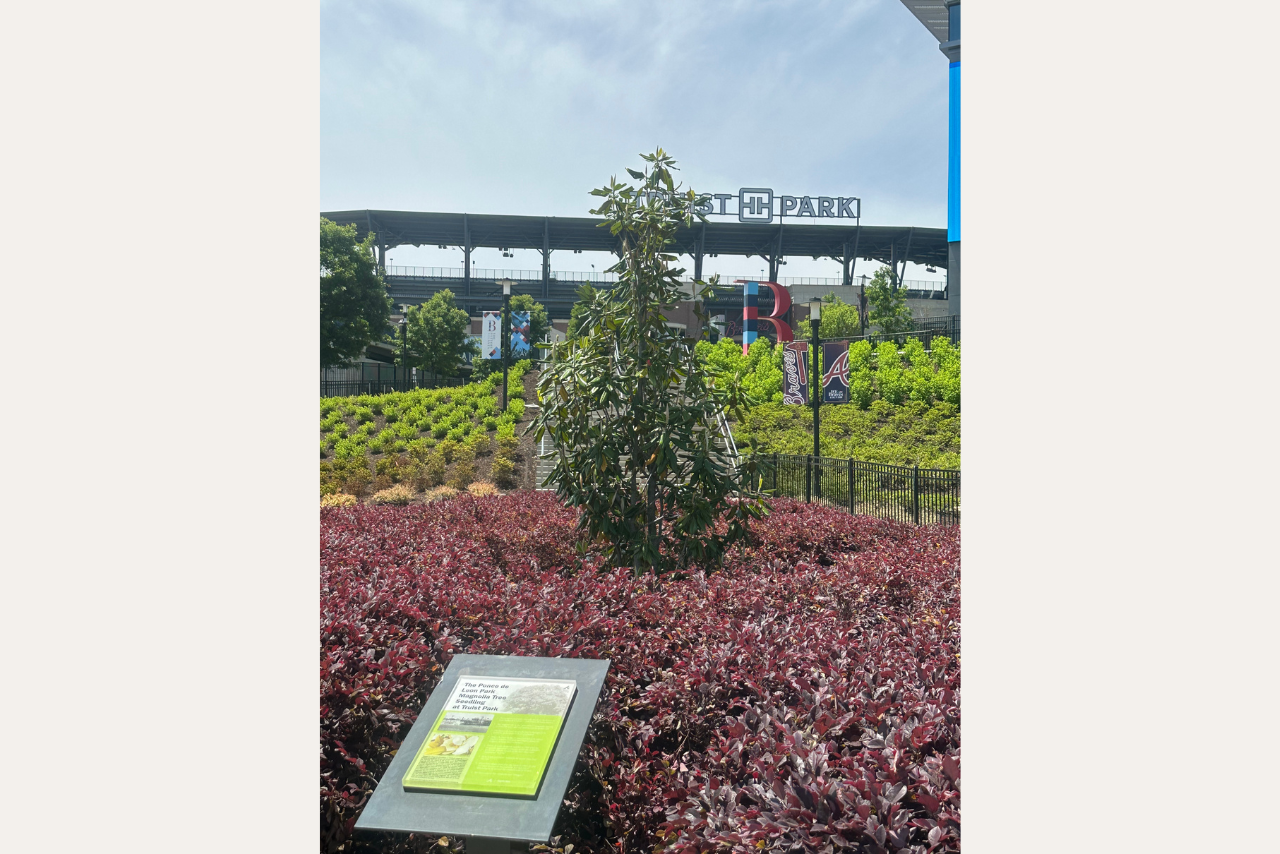
"There's something so special about these trees that have survived the test of time," Gepfer said. "And their magic continued the year Maggie was planted, as the Braves won the 2021 World Series just months after she settled into her new home."
Each tree, officially named Southern magnolia ‘Spiller Field’ (Magnolia grandiflora ‘Spiller Field’), is genetically identical to the original 125-year-old magnolias. They signify a direct, living link to this historic site.
A recently restored plaque, developed in collaboration with the Atlanta History Center and the Atlanta Preservation Center, now sits at trail level where Spiller Field once stood — inviting visitors to pause, reflect, and connect with an important chapter of Atlanta’s past.
To explore more city history along the Beltline, visit beltline.org/things-to-do/tours/.
Subscribe to In The Loop, our monthly newsletter, for Beltline news, events, announcements and more.