Exploring Black History Along the Beltline’s Westside Trail
Let the Beltline lead you to these landmarks and historic sites.
- Parks & Trails
Last year, the Atlanta Beltline marked a major milestone with the completion of Westside Trail – Segment 4, creating our longest continuous trail to date. This stretch winds through historical neighborhoods where streets bear the names of Civil Rights leaders, links to Atlanta’s first designated space for African Americans, and invites residents and visitors to explore the city’s rich history and culture on foot.
This month—and throughout the year—we encourage trail users to reflect on the significance of these communities and the individuals who helped shape them. Below is a guide to Westside landmarks accessible along the Beltline.
Hammonds House Museum: Nestled outside the consortium of Atlanta Universities, the Hammonds House Museum takes its visitors on an artistic, historical, and cultural journey of Black creativity from the 19th century onwards. The historical home decked out in a bright assortment of red and green also offers workshops and porch parties, inviting community members to connect and be creative together.
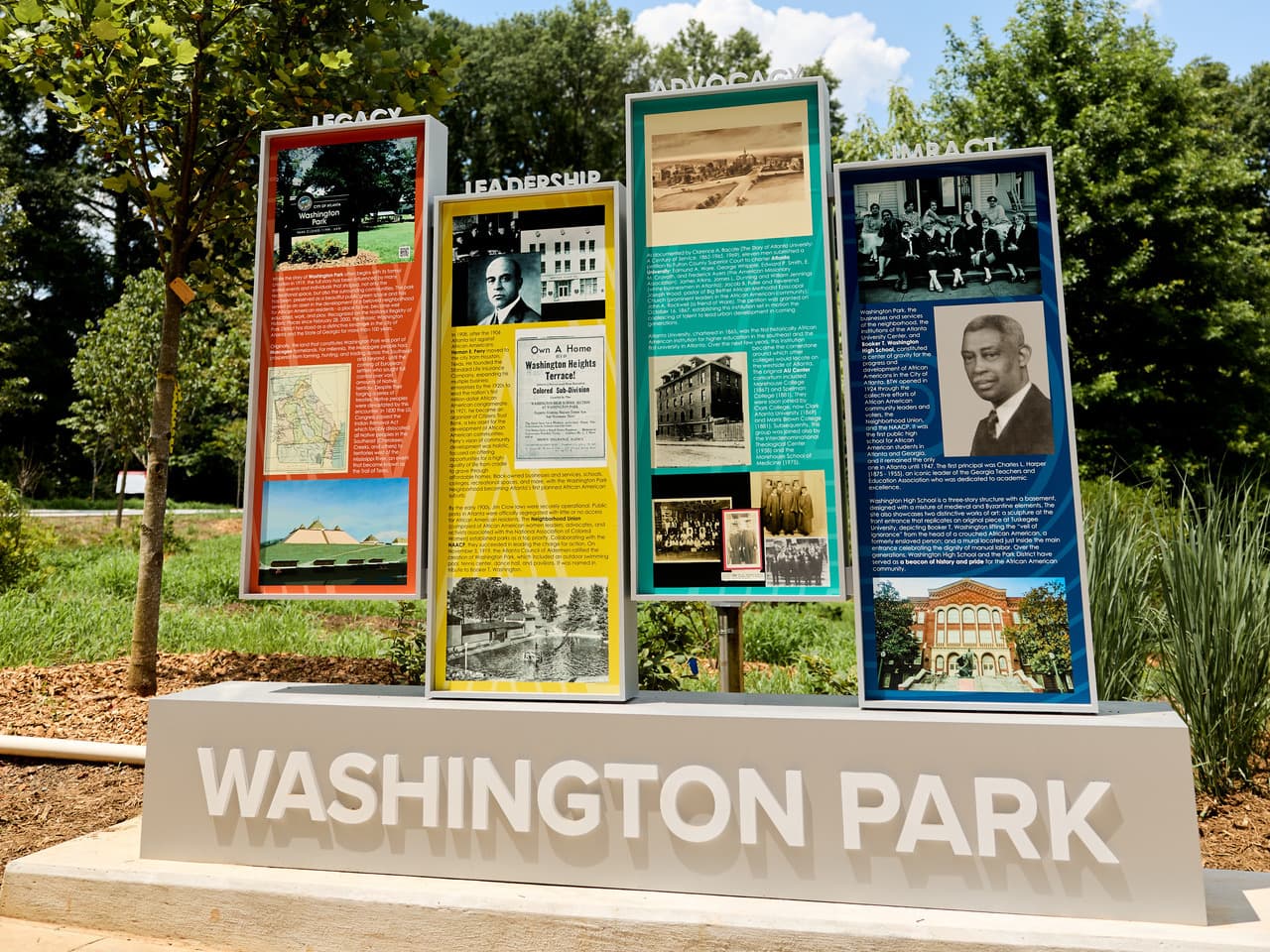
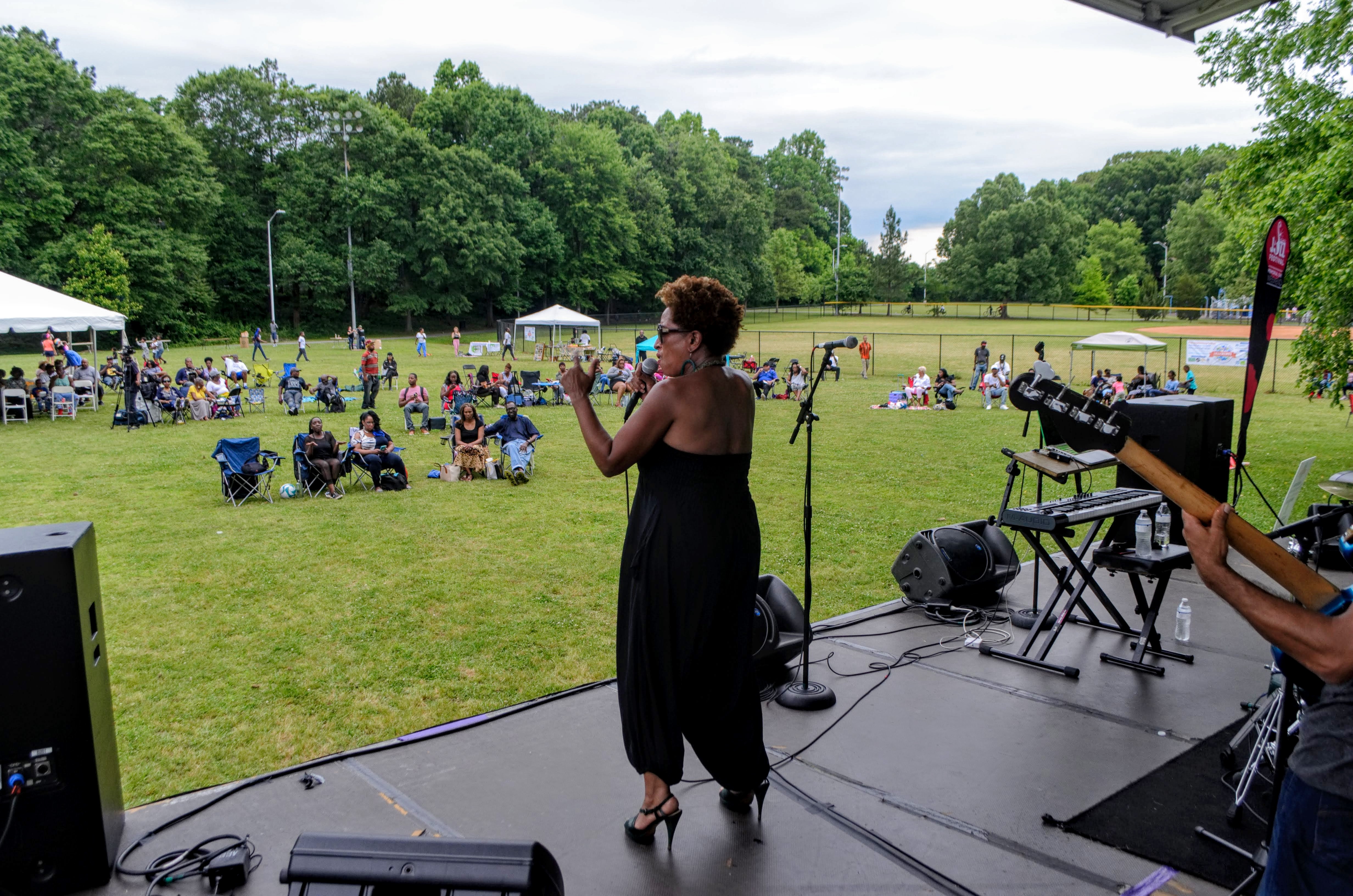
Washington Park: Born from the ashes of the Great Atlanta Fire of 1917, Washington Park became one of the city’s first planned Black suburbs. This project was brought to life by Black leaders, architects, and craftsmen who prevailed despite systemic barriers. As the first designated recreation and greenspace for African Americans in Atlanta, this park stands as both a testament to collective resilience and a beacon of hope rooted in community. Today, Washington Park continues to thrive as a cultural and social anchor along the Beltline, hosting beloved traditions such as the annual Washington Park Jamboree and serving as a gathering place where history, culture, and community remain deeply connected.
Joseph E. Boone Blvd: Honoring the work of Joseph E. Boone, the late Reverend of Rush Memorial Congregational Church at the Atlanta University Center, this boulevard is a tribute to his activism for civil rights, economic justice, and empowering the community. Working on "Operation Breadbasket" with Rev. Dr. Martin Luther King Jr. and supporting the Atlanta Student Movement, Boone was committed to change for Atlanta. Much like Donald Lee Hollowell Parkway, the area’s revitalization through projects like affordable housing and parks are a glimpse of the future Joseph E. Boone was working toward.
Donald Lee Hollowell Parkway: Running through the English Avenue neighborhood, this major parkway was named after the late civil rights attorney who dedicated his work to desegregating Georgia. Hollowell defended activists like Dr. Martin Luther King Jr., played a role in integrating the University of Georgia, and became the first Black regional director of the Equal Employment Opportunity Commission in the Southeast. Hollowell’s legacy continues to shine as the area's revitalization initiatives develop affordable rental units and commercial space.
Joseph E. Lowery Blvd: In 2001, Atlanta's City Council renamed Ashby Street to Joseph E. Lowery Boulevard to honor Lowery's pivotal contributions to the Civil Rights Movement, including his role as co-founder of the Southern Christian Leadership Conference (SCLC), a leading organization in the fight against segregation through nonviolent protest, and his leadership in the Montgomery Bus Boycott. The boulevard passes through historic Westside neighborhoods like Vine City and English Avenue—communities closely connected to Lowery's activism and legacy.
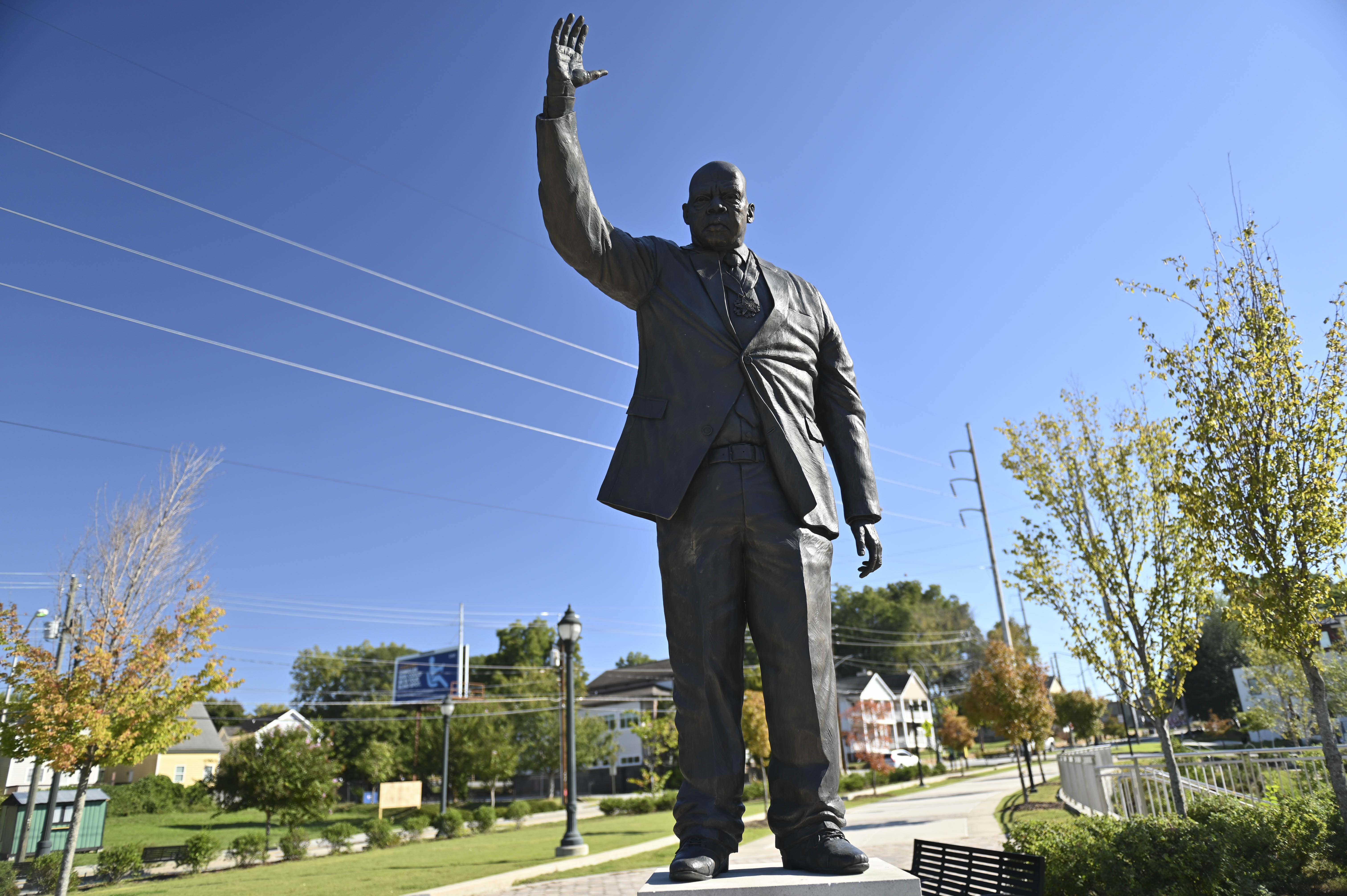
John Lewis statue in Rodney Cook, Sr. Park: Also located off the Westside Connector Trail in Historic Vine City, this sculpture honors the late great John Lewis, long time U.S. Congressman and civil rights leader. From leading nonviolent protests on issues including voting rights, racial equality, and criminal justice reform to serving 17 consecutive terms representing Georgia in the U.S. House of Representatives, Lewis left an undeniable mark on Atlanta and its culture. This statue cements his legacy and is a constant reminder to the city to get into some “good trouble”.
National Center for Civil and Human Rights: Follow the Westside Beltline Connector Trail downtown to visit this attraction, which explores the history of several American Civil and Human Rights Movements. From the interactive lunch-counter sit-in experience to personal artifacts from Dr. Martin Luther King Jr., this is a prime spot to learn more about the lasting impact of black history.
As we continue to deliver the people’s project to new areas of Atlanta, the Beltline is committed to celebrating the unique character, history, and cultural richness of each neighborhood. Click here to learn more.
Subscribe to In The Loop, our monthly newsletter, for Beltline news, events, announcements and more.